
Contents
Creosote is a byproduct of burning wood, accumulating in chimneys as a tar-like substance. Understanding its formation, dangers, and removal is essential for maintaining a safe home. Failure to address creosote buildup can lead to severe consequences, including chimney fires and health hazards. Homeowners should be aware of how creosote forms, its different stages, and the best practices to prevent and remove it.

Formation of Creosote in Chimneys
When wood burns, it releases smoke filled with unburned gases and particles. As this smoke ascends the chimney and cools, these elements condense on the flue walls, forming creosote deposits. The buildup process depends on several factors, including the type of wood burned, the temperature of the fire, and the efficiency of the chimney’s ventilation system.
Creosote forms more rapidly when the chimney’s airflow is restricted or when the fire burns at a lower temperature. If smoke lingers too long in the flue, more unburned particles settle on the walls. Over time, the buildup becomes more severe, increasing the risk of chimney blockages and fires.
Types of Creosote Buildup
First Degree Creosote Buildup
This initial stage appears as a light, powdery soot. It’s relatively easy to remove with standard chimney sweeping tools. Regular cleaning can prevent progression to more hazardous stages. First-degree creosote is common when fires burn at optimal temperatures and with adequate airflow.
Second Degree Creosote Buildup
At this stage, creosote becomes flaky and tar-like. Removal is more challenging, often requiring specialized brushes or mechanical tools. Neglecting this buildup can restrict airflow, affecting fireplace efficiency. Second-degree creosote is often seen in chimneys with improper venting or when wood with high moisture content is burned.
Third Degree Creosote Buildup
This advanced stage presents as a hardened, glossy layer. It’s extremely flammable and difficult to remove, often necessitating professional intervention. This level of accumulation poses significant fire hazards. Third-degree creosote is a major cause of chimney fires and is often found in neglected chimneys or those that burn wood inefficiently.
Causes of Creosote Accumulation
Burning wood with high moisture content leads to cooler fires, resulting in more unburned particles condensing as creosote. Properly seasoned wood contains less than 20% moisture and burns hotter, reducing creosote formation. Wet or green wood produces excessive smoke and increases the risk of buildup.
Insufficient oxygen supply due to closed dampers or clogged air inlets also contributes to incomplete combustion and increased creosote formation. Chimneys that are too large or too small for the fireplace can also affect airflow, leading to inefficient burning and higher creosote accumulation.
Additionally, frequent use of slow-burning fires can encourage creosote buildup. Smoldering fires produce cooler smoke, which condenses more readily in the chimney. Using the correct fire-starting techniques and maintaining an open damper can help minimize creosote formation.
Dangers Associated with Creosote
Chimney Fires
Creosote is highly combustible. Even a small spark can ignite accumulated creosote, leading to chimney fires that may spread to the rest of the house. These fires can cause extensive damage, including structural failure and smoke damage. Regular cleaning reduces this risk and ensures safe chimney operation.
Carbon Monoxide Poisoning
Blocked chimneys from creosote buildup can prevent toxic gases from escaping. This can cause carbon monoxide to seep into living spaces, posing serious health risks. Carbon monoxide is a colorless, odorless gas that can be deadly in high concentrations. Installing carbon monoxide detectors near fireplaces and bedrooms is crucial for home safety.
Structural Damage to Chimney
The acidic nature of creosote can corrode chimney materials over time. This corrosion weakens the structure, potentially leading to costly repairs or even collapse. Brick and mortar chimneys are particularly vulnerable to deterioration when exposed to moisture and creosote for extended periods. Regular inspections can catch early signs of damage and prevent expensive repairs.
Prevention of Creosote Buildup
Proper Burning Practices
Use only seasoned hardwoods, as they burn hotter and produce less creosote. Avoid burning trash, paper, or green wood, as these contribute to faster creosote accumulation. Properly stacking and storing firewood can help it dry faster and burn more efficiently.
Maintaining a hot fire with good airflow is essential. Keeping the damper fully open during burning allows for complete combustion and minimizes smoke condensation in the chimney.
Regular Chimney Maintenance
Schedule annual inspections and cleanings by certified professionals. Regular maintenance ensures early detection and removal of creosote deposits. A professional chimney sweep can also identify and address potential structural issues before they become major problems.
Installing a chimney cap can prevent debris and animals from blocking the chimney, ensuring proper ventilation. A blocked chimney can cause smoke to back up into the home, increasing the risk of creosote buildup.
Use of Seasoned Wood
Burning wood with low moisture content ensures hotter fires and more complete combustion. This practice minimizes the amount of creosote produced. Kiln-dried or naturally seasoned wood is the best choice for fireplace efficiency and safety.
Methods for Creosote Removal
Manual Sweeping
This traditional method uses brushes to dislodge creosote deposits. It’s effective for early-stage buildups and should be performed regularly. Homeowners can use chimney brush kits for light cleaning, but professional cleaning is recommended for thorough removal.
Chemical Treatments
Certain chemicals can break down creosote, making it easier to remove. These treatments are often used in conjunction with manual sweeping for thorough cleaning. Creosote-removing logs and powders can help reduce buildup between cleanings, but they do not replace professional maintenance.
Professional Cleaning Services
For advanced creosote stages, professional chimney sweeps have specialized tools and expertise. They can safely and effectively remove hazardous buildups, ensuring your chimney operates safely. Professional services also include camera inspections to detect hidden blockages or structural issues.
At Pro Handy Solutions, we provide expert chimney cleaning services to eliminate creosote buildup and ensure your chimney is safe. Our trained professionals use state-of-the-art tools to remove hazardous deposits and inspect for any underlying damage. Contact us at (647)-325-6554 for thorough and reliable chimney cleaning.
Contact Pro Handy Solutions for Expert Chimney Services
Regular attention to your chimney’s condition is crucial. By understanding creosote and implementing proper maintenance, you can enjoy your fireplace safely and efficiently. Prevention, proper burning techniques, and routine inspections are the best defenses against dangerous creosote buildup.
At Pro Handy Solutions, we provide expert chimney and dryer vent services to keep your home safe. Call us today at (647)-325-6554 to schedule an inspection or cleaning!

Daniel Nahman
Daniel is the CEO of Pro Handy Solutions. He is providing Professional Chimney and Dryer Vent Cleaning services in GTA for over 5 years.
Chimney Cleaning & Repair Services Across the GTA
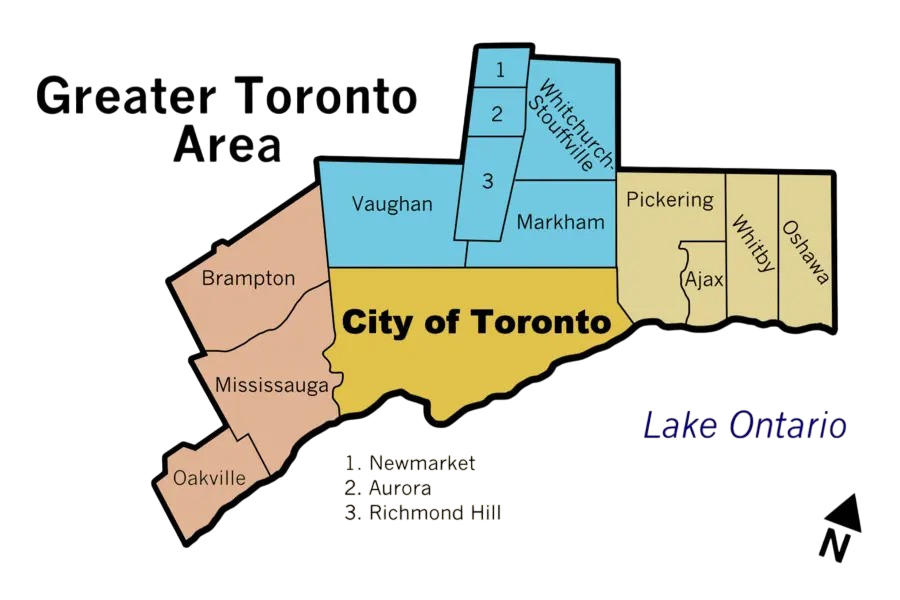
Pro Handy Solutions proudly serves homeowners and businesses across the Greater Toronto Area with expert chimney cleaning and repair services. Our team is dedicated to ensuring safety and efficiency in communities throughout the region, including Toronto, Mississauga, Brampton, Vaughan, and Markham. Whether you’re in the heart of downtown Toronto or the suburban neighborhoods of Richmond Hill, you can rely on us for professional, high-quality service. No matter where you are in the GTA, Pro Handy Solutions is here to keep your chimney in top condition.