

Contents
A gas fireplace adds warmth and comfort to any home. But when it won’t stay lit, it can be frustrating. Understanding the common causes and how to fix them can save time and effort. This guide will help you troubleshoot and resolve the issue quickly.
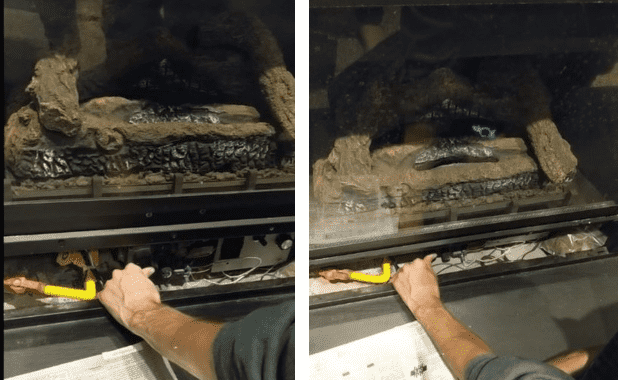
Common Causes of a Gas Fireplace Not Staying Lit
1. Pilot Light Issues
A dirty or clogged pilot light tube can prevent the flame from staying lit. Dust and debris can block gas flow, making it difficult for the flame to sustain itself. Cleaning the tube with compressed air or a thin wire can help restore proper function.
A weak or flickering pilot flame may indicate gas flow issues. Checking for proper gas pressure and adjusting the regulator can stabilize the flame. If the pilot light goes out after releasing the knob, a faulty thermocouple or airflow issue could be the cause. Replacing the thermocouple or ensuring proper ventilation can resolve the problem.
2. Thermocouple and Thermopile Malfunctions
The thermocouple and thermopile control the gas valve by detecting heat from the pilot flame. If they are misaligned or worn out, they won’t generate enough voltage to keep the gas valve open, leading to shutdowns.
A pilot light that won’t stay on or a fireplace that turns off unexpectedly can indicate a malfunction. Cleaning these components or testing them with a multimeter can help determine if they need replacement. If the readings are low, replacing the faulty component can fix the issue.
3. Gas Supply Issues
Gas fireplaces require consistent gas pressure to function correctly. If the pressure is too low, the flame may be weak or extinguish completely. This can happen due to a partially closed valve or issues with the gas regulator.
Gas lines can also develop blockages from debris or corrosion, restricting gas flow. A professional should inspect and clean the gas line if needed. A faulty gas valve can prevent gas from reaching the pilot and burners, requiring replacement to restore proper operation.
4. Ignition System Failures
Electronic ignition systems can fail due to wiring issues, faulty igniters, or power supply problems. Ensuring proper electrical connections and testing the ignition module can help diagnose the problem.
If the fireplace relies on battery-powered remote controls, weak or dead batteries can lead to ignition failures. Replacing the batteries is a quick fix. Loose or damaged wiring can also disrupt ignition and should be inspected and secured.
5. Ventilation and Airflow Problems
Blocked vents or flues can cause poor combustion, leading to an extinguished flame. Regular inspections and cleaning of vents can prevent airflow restrictions.
Fireplaces require oxygen to maintain combustion. Restricted airflow due to closed vents or a tightly sealed room can cause the flame to go out. Opening a nearby window or adjusting ventilation can improve performance. Drafts from windows, doors, or ceiling fans can also blow out the flame, so placing the fireplace in a protected area helps maintain a steady fire.
Less Common Gas Fireplace Issues and Their Fixes
A fireplace that works intermittently may have a failing thermopile, fluctuating gas pressure, or a faulty gas valve. These issues can cause the fireplace to shut off unpredictably, requiring inspection and potential replacement of defective parts.
Excessive soot buildup on logs or glass is a sign of incomplete combustion. Adjusting the air-to-gas ratio and cleaning burner components can help resolve this issue. Clicking noises may indicate an igniter problem, while hissing sounds could signal a gas leak that needs immediate professional attention. If the fireplace shuts off after a few minutes, it may be due to an overheating sensor or insufficient voltage from the thermopile.
Troubleshooting Steps
1. Inspecting the Pilot Light
Turn off the gas before performing any maintenance. Check for dust or obstructions in the pilot assembly and clean it using a fine brush or compressed air.
Ensure there are no strong drafts near the fireplace, as these can blow out the pilot flame. If the pilot light still won’t stay lit, test the thermocouple for voltage output.
2. Testing and Replacing the Thermocouple and Thermopile
Use a multimeter to check for voltage output. A thermocouple should produce about 30 millivolts, while a thermopile should generate 300–750 millivolts.
If the readings are low, cleaning or replacing the components is necessary. Ensure they are securely positioned in the flame for optimal performance.
3. Assessing Gas Pressure and Supply
Conduct a leak test using soapy water on the gas line. If bubbles form, there is a leak that needs professional repair.
Ensure the gas valve is fully open and functioning properly. If you suspect gas pressure issues, contact your utility provider for assistance.
4. Evaluating the Ignition System
Replace remote control batteries if the ignition system relies on them. Inspect wiring for signs of damage or loose connections.
If the fireplace still won’t light, the ignition module may need replacement. Test the module using a multimeter to determine if it is faulty.
5. Ensuring Proper Ventilation
Check and clean the chimney, vents, and air intake channels. Proper airflow is essential for combustion, so make sure the room has adequate ventilation.
Consider installing a draft guard if external airflow is affecting the flame. Proper ventilation helps maintain a stable fire and prevents frequent shutdowns.
Preventive Maintenance Tips
Regularly clean the pilot light, burners, and glass doors to prevent buildup that can interfere with operation. Schedule professional inspections at least once a year to detect potential issues early.
Test the gas and ignition systems monthly to ensure they function correctly. Keeping vents and air passages clear of debris will also help maintain proper airflow and prevent future problems.
2. Testing and Replacing the Thermocouple and Thermopile
Burning wood with high moisture content leads to cooler fires, resulting in more unburned particles condensing as creosote. Properly seasoned wood contains less than 20% moisture and burns hotter, reducing creosote formation. Wet or green wood produces excessive smoke and increases the risk of buildup.
Insufficient oxygen supply due to closed dampers or clogged air inlets also contributes to incomplete combustion and increased creosote formation. Chimneys that are too large or too small for the fireplace can also affect airflow, leading to inefficient burning and higher creosote accumulation.
Additionally, frequent use of slow-burning fires can encourage creosote buildup. Smoldering fires produce cooler smoke, which condenses more readily in the chimney. Using the correct fire-starting techniques and maintaining an open damper can help minimize creosote formation.
When to Seek Professional Help
If you notice a strong gas smell or suspect a leak, evacuate the area and call a professional immediately. Gas leaks can be dangerous and should never be ignored.
If troubleshooting steps fail to fix the problem, professional diagnosis may be necessary. For complex repairs, such as gas line issues or valve replacements, always rely on a licensed technician.
Final Thoughts
A gas fireplace that won’t stay lit can be frustrating, but most issues have simple solutions. Regular cleaning and maintenance will help prevent future problems.
If DIY troubleshooting doesn’t work, don’t hesitate to seek professional help. Ensuring proper care and timely repairs will keep your gas fireplace running efficiently and safely for years to come.

Daniel Nahman
Daniel is the CEO of Pro Handy Solutions. He is providing Professional Chimney and Dryer Vent Cleaning services in GTA for over 5 years.
Chimney Cleaning & Repair Services Across the GTA
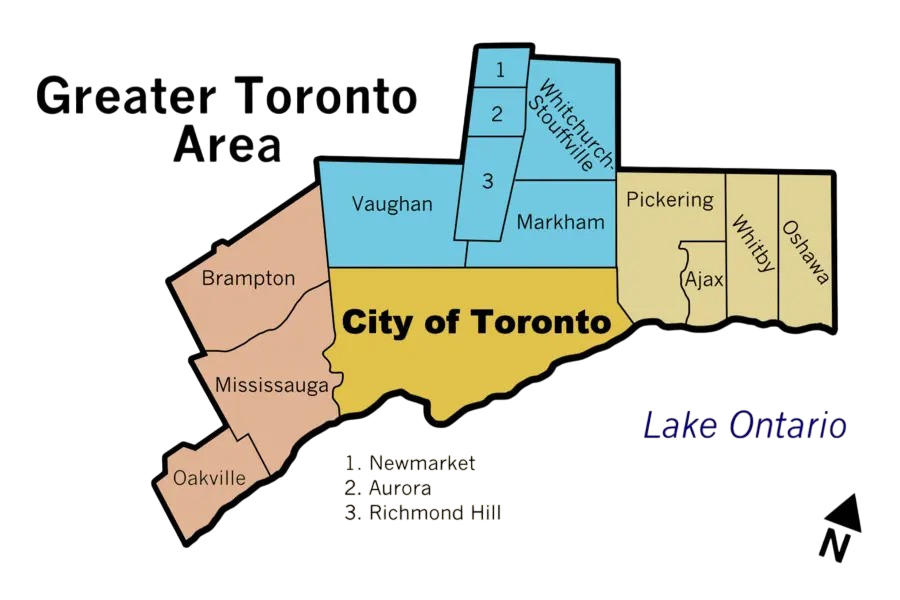
Pro Handy Solutions proudly serves homeowners and businesses across the Greater Toronto Area with expert chimney cleaning and repair services. Our team is dedicated to ensuring safety and efficiency in communities throughout the region, including Toronto, Mississauga, Brampton, Vaughan, and Markham. Whether you’re in the heart of downtown Toronto or the suburban neighborhoods of Richmond Hill, you can rely on us for professional, high-quality service. No matter where you are in the GTA, Pro Handy Solutions is here to keep your chimney in top condition.