


Indoor or Outdoor Dryer Vent? A Complete Guide to Choosing the Right Option
- By Daniel Nahman
- May 7, 2025
Contents
When it comes to choosing the right venting system for your dryer, there are two primary options: indoor dryer vents and outdoor dryer vents. Each has its own set of advantages and drawbacks, depending on your home’s layout, climate, and specific needs. In general, outdoor dryer vents are considered the safer and more efficient option, as they expel moisture, lint, and hot air outside, reducing the risks of mold and fire hazards.
However, indoor dryer vents are often easier to install, especially in homes or apartments where external venting isn’t feasible. This article will explore the differences between indoor and outdoor dryer vents, their pros and cons, and key considerations to help you make an informed decision for your home.
What Is an Indoor Dryer Vent?
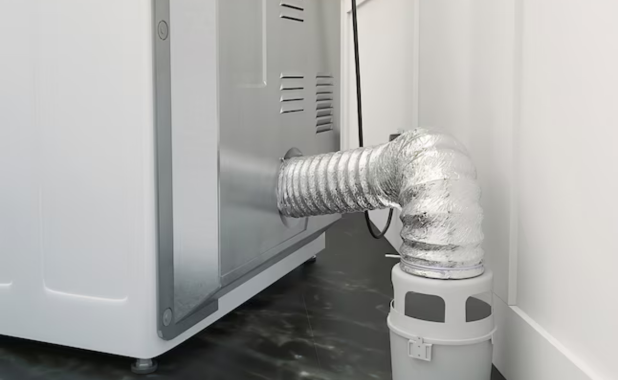
An indoor dryer vent system is designed to expel the moist, lint-laden air produced by your dryer inside your home, rather than outdoors. Typically, indoor venting systems work by directing the air through a hose to a lint filter or reservoir inside the home, which captures the moisture and allows it to be recycled or drained. These systems are often found in apartments or homes where external venting isn’t possible due to a lack of wall access or space limitations.
While indoor vent systems can be a convenient solution, they do come with a few significant risks. Most notably, they contribute to an increase in indoor humidity, which can lead to issues such as mold and mildew growth. Additionally, without proper maintenance, these systems can be a fire hazard due to the accumulation of lint, as well as reduced airflow efficiency.
How it Works:
- The dryer exhaust air is directed into a reservoir or filtration system inside your home.
- A filter or reservoir traps lint and moisture, which is either evaporated or drained.
What Is an Outdoor Dryer Vent?
An outdoor dryer vent system works by expelling the hot, moist, and lint-filled air produced by your dryer directly outside through a vent installed on an exterior wall or roof. This type of system is the most common and preferred method for most homeowners because it is much more effective at removing moisture and lint from the home.
How it Works:
- Rigid or semi-rigid ducts are used to carry the air from the dryer to an exterior vent.
- The vent, usually equipped with a cover to prevent debris or pests from entering, allows the exhaust air to exit the house.
Outdoor vents are often more efficient at preventing moisture buildup, reducing the likelihood of mold and mildew in your laundry room. However, they do come with challenges, such as the need for installation through external walls or roofs and the potential for pests entering through improperly sealed vents.
Pros of Indoor Dryer Vents
While outdoor dryer vents are typically the preferred choice, there are certain situations where an indoor vent might make more sense. Below are the key advantages of using an indoor dryer vent:
1. Ease of Installation
Indoor dryer vents are typically easier and quicker to install compared to outdoor vent systems. They do not require cutting through walls or roofs, making them ideal for apartments, smaller homes, or homes without easy access to an exterior wall.
2. Space-Saving
For homes where exterior venting isn’t practical, an indoor dryer vent system can be a space-saving solution. If you live in an apartment or have a limited area for laundry, indoor venting may allow you to keep your dryer closer to your living space.
3. Cost-Effective
Indoor vents are generally cheaper to install, making them a more affordable option for homeowners who don’t have the budget for extensive ductwork or structural modifications.
Cons of Indoor Dryer Vents
Despite the benefits, indoor dryer vents come with significant drawbacks that could outweigh their convenience in certain situations:
1. Increased Humidity
The biggest drawback of indoor dryer vents is the moisture buildup they create. Because the moist air is being directed into your home, it can lead to higher humidity levels, which can cause issues such as mold, mildew, and wood rot. The added moisture also makes it more difficult for the dryer to function efficiently, leading to longer drying times.
2. Fire Hazards
Indoor venting systems are more likely to accumulate lint inside the ductwork. Lint buildup is a major fire hazard, and if not regularly cleaned, it can pose a significant risk to your home. Moreover, the reduced airflow due to lint accumulation can cause the dryer to overheat, further increasing the fire risk.
3. Not Suitable for Gas Dryers
Indoor venting systems should never be used with gas dryers. Gas dryers produce carbon monoxide, which can be dangerous if vented inside your home. Using an indoor vent with a gas dryer can lead to a buildup of toxic gases, putting your health and safety at risk.
Pros of Outdoor Dryer Vents
Outdoor dryer vents are considered the safer, more efficient option for most homes. Here are the main benefits of using an outdoor venting system:
1. Efficient Moisture Removal
The primary advantage of outdoor venting is its ability to efficiently expel moisture from your home. By venting the air outside, outdoor vents prevent humidity buildup and reduce the risk of mold and mildew growth inside your home.
2. Better Air Quality
By removing the moist, lint-filled air, outdoor vents help improve indoor air quality. This is especially important for those with respiratory issues or allergies, as moisture and lint can contribute to poor air quality.
3. Compliance with Building Codes
In many areas, local building codes require outdoor venting for dryers. Installing an outdoor vent ensures that your home complies with these codes, which are often put in place for safety reasons.
Cons of Outdoor Dryer Vents
While outdoor dryer vents offer many advantages, they also have a few downsides that should be considered:
1. Installation Complexity
Outdoor dryer vents often require more complex installation. This can involve drilling holes in external walls or roofs, which may be difficult or expensive depending on the structure of your home. Professional installation may be required.
2. Vulnerability to Weather and Pests
Outdoor vents are exposed to the elements, which means they can be affected by weather conditions like wind and rain. Additionally, pests such as birds and rodents may try to enter the vent, so it’s crucial to install a vent cap to prevent such intrusions.
3. Regular Maintenance
Outdoor vents require more frequent maintenance. They can become clogged with leaves, debris, or even bird nests, which can obstruct airflow and reduce the efficiency of your dryer. It’s essential to inspect and clean outdoor vents regularly.
Key Factors to Consider When Choosing Between Indoor and Outdoor Dryer Vents
When deciding between an indoor and outdoor dryer vent, there are several factors to consider:
1. Climate and Weather
If you live in a humid or rainy area, an outdoor vent is typically the better choice to prevent moisture buildup inside your home.
2. Available Space
In apartments or homes with limited space or no access to an external wall, an indoor vent may be your only option.
3. Cost
Indoor vents are less expensive to install, but if you can afford the installation of an outdoor vent, it is generally a safer and more efficient choice in the long run.
When to Call a Professional
For expert installation, maintenance, and cleaning of your dryer vent system, you can call Pro Handy Solutions. They specialize in both indoor and outdoor vent services in Toronto, ensuring your system operates safely and efficiently. Reach them at (647) 325-6554, prohandysolutions.ca@gmail.com, or visit their website at www.prohandysolutions.ca.
Conclusion
Choosing between an indoor and outdoor dryer vent depends on your home’s unique needs, the available space, and your budget. While outdoor vents are the safer and more efficient option for most homes, indoor vents can be a viable solution in specific situations, such as apartments or spaces without easy access to the outside. Understanding the pros, cons, and key considerations will help you make an informed decision to ensure both the safety and efficiency of your dryer.

Daniel Nahman
Daniel is the CEO of Pro Handy Solutions. He is providing Professional Chimney and Dryer Vent Cleaning services in GTA for over 5 years.
Chimney Cleaning & Repair Services Across the GTA
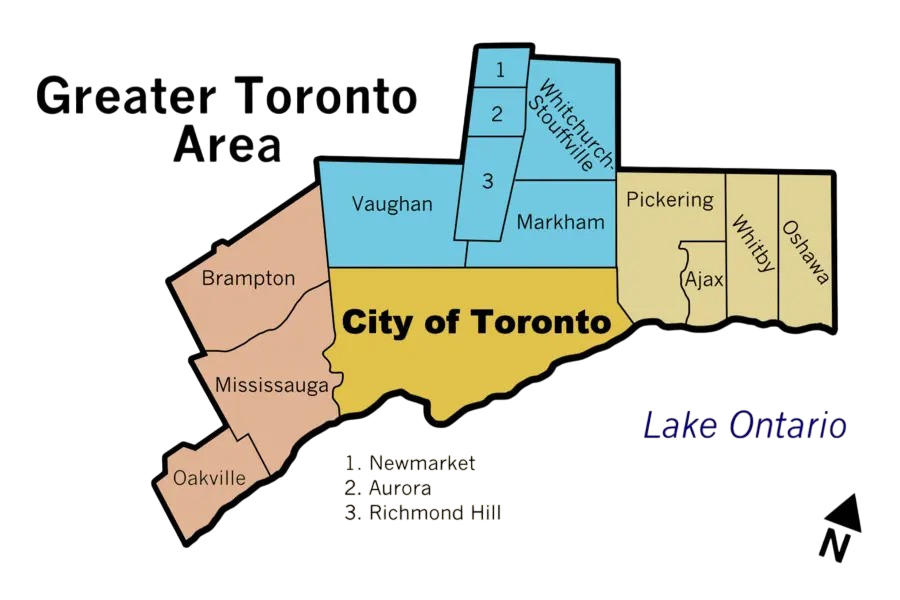
Pro Handy Solutions proudly serves homeowners and businesses across the Greater Toronto Area with expert chimney cleaning and repair services. Our team is dedicated to ensuring safety and efficiency in communities throughout the region, including Toronto, Mississauga, Brampton, Vaughan, and Markham. Whether you’re in the heart of downtown Toronto or the suburban neighborhoods of Richmond Hill, you can rely on us for professional, high-quality service. No matter where you are in the GTA, Pro Handy Solutions is here to keep your chimney in top condition.